EXTREMELY SENSITIVE CONTENT – 18+ ONLY 
This post discusses war crimes in occupied Prague and a public execution in 1946. Content is shared solely for historical education and remembrance of victims.
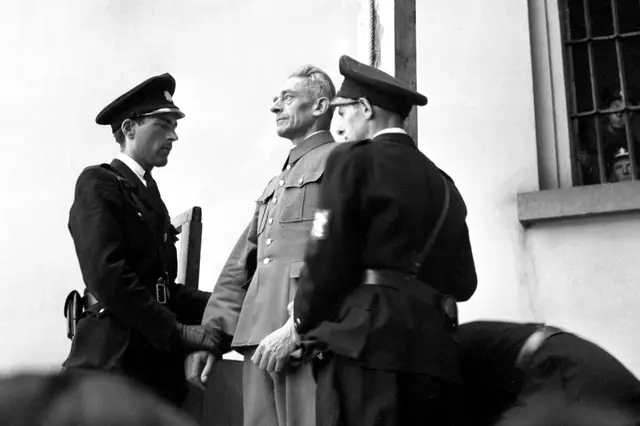
50,000 Witnesses to Prague’s Last Public Execution – Josef Pfitzner on 6 September 1946
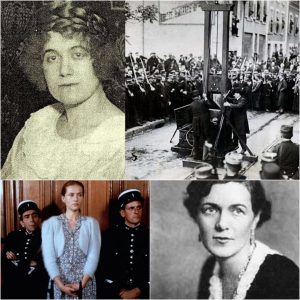
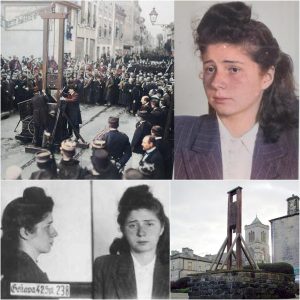
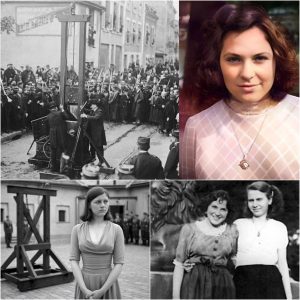
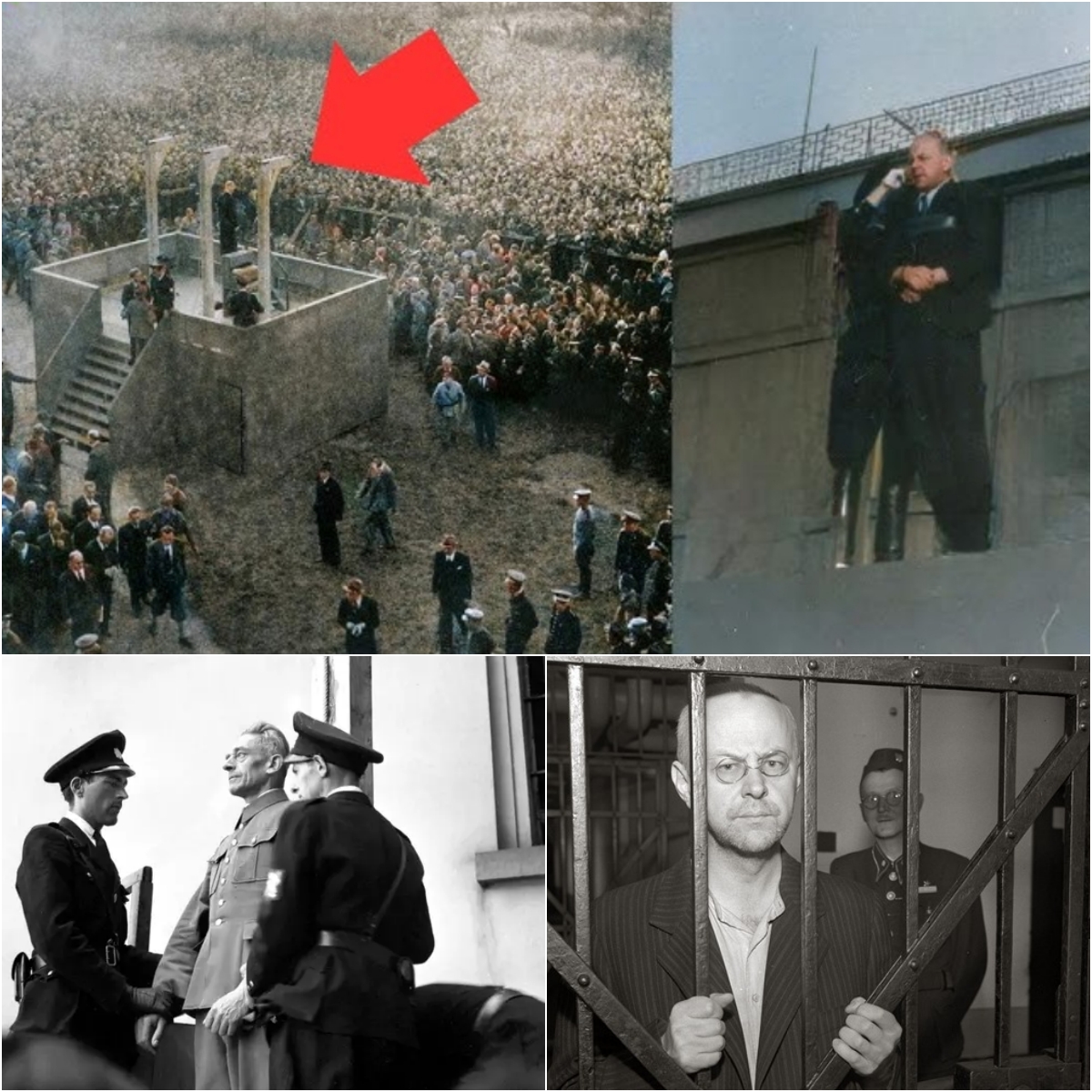
On a cool autumn morning in Prague on 6 September 1946, more than 50,000 Czechoslovaks gathered in Pankrác square. They had come to see one of Europe’s largest post-war public executions – and the very last of its kind in Czechoslovakia.
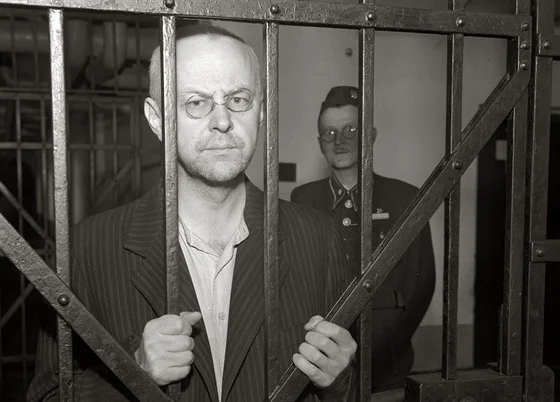
The man led to the gallows was Josef Pfitzner (1901–1946) – a former history professor at Charles University in Prague, leader of the Sudeten German Party, and after the 1938 Anschluss deputy mayor of occupied Prague.
As part of the Nazi machinery of oppression in Bohemia-Moravia, Pfitzner was directly involved in:
Suppressing Czech intellectuals, politicians and Jews
Organising mass arrests and expulsions of Czechs from the Sudetenland
Notably, following the 1942 assassination of Reinhard Heydrich, Pfitzner helped compile victim lists for reprisals like the Lidice and Ležáky massacres, where hundreds of civilians, women were killed.
Causing Famine: He confiscated food supplies from the Czech population to provision the German military and civilians, leading to severe starvation among ordinary people.
Aiding Persecution and Deportation: He collaborated closely with the Gestapo, suppressed the Czech resistance movement, and participated in deporting Jews to extermination camps.
Betrayal of Trust: As a pre-war history professor, he used his knowledge and authority to serve the Nazi propaganda and apparatus, making himself a symbol of intellectual betrayal and the brutality of the puppet regime.
After the Red Army liberated Prague on 9 May 1945, Pfitzner was arrested along with hundreds of other Nazi officials. In August 1946 the Extraordinary People’s Court in Prague opened his trial. Dozens of witnesses – from survivors to former political prisoners – testified to Pfitzner’s role in ordering arrests, property seizures and supporting the Holocaust in the Protectorate.
On 29 August 1946 the court sentenced him to death for treason and war crimes.

Before a silent crowd on 6 September, Pfitzner mounted the scaffold. The sentence was carried out swiftly. This marked the end of public executions in Czechoslovakia and the post-war “retribution” period.
We tell this story today not to foster hatred, but to:
Honour the memory of the thousands of Czech victims who died under occupation, including those massacred at Lidice and in concentration camps.
Recognise the courage of survivors who testified despite their enduring trauma.
Remind every generation that justice, however delayed, must prevail to prevent history from repeating itself.
Official sources:
Records of the 1946 Prague Extraordinary People’s Court – Czech National Archives
Photographs by Svatopluk Sova (Czech History Museum)
František Beneš, “The Lidice Massacre” (1947)
Eduard Stehlík, “Lidice – The Story of a Czech Village” (2004)