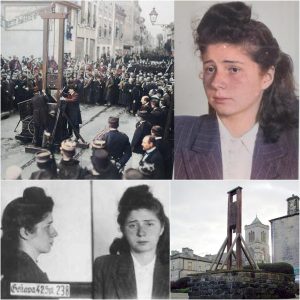
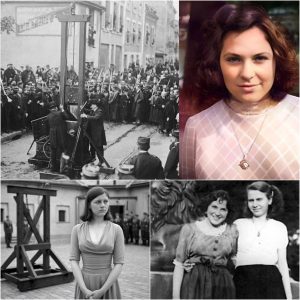
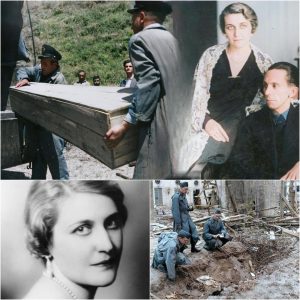
EXTREMELY SENSITIVE CONTENT – 18+ ONLY 
This post discusses the execution of captured female Soviet soldiers on the Eastern Front. Content is shared solely for historical education and remembrance of victims.
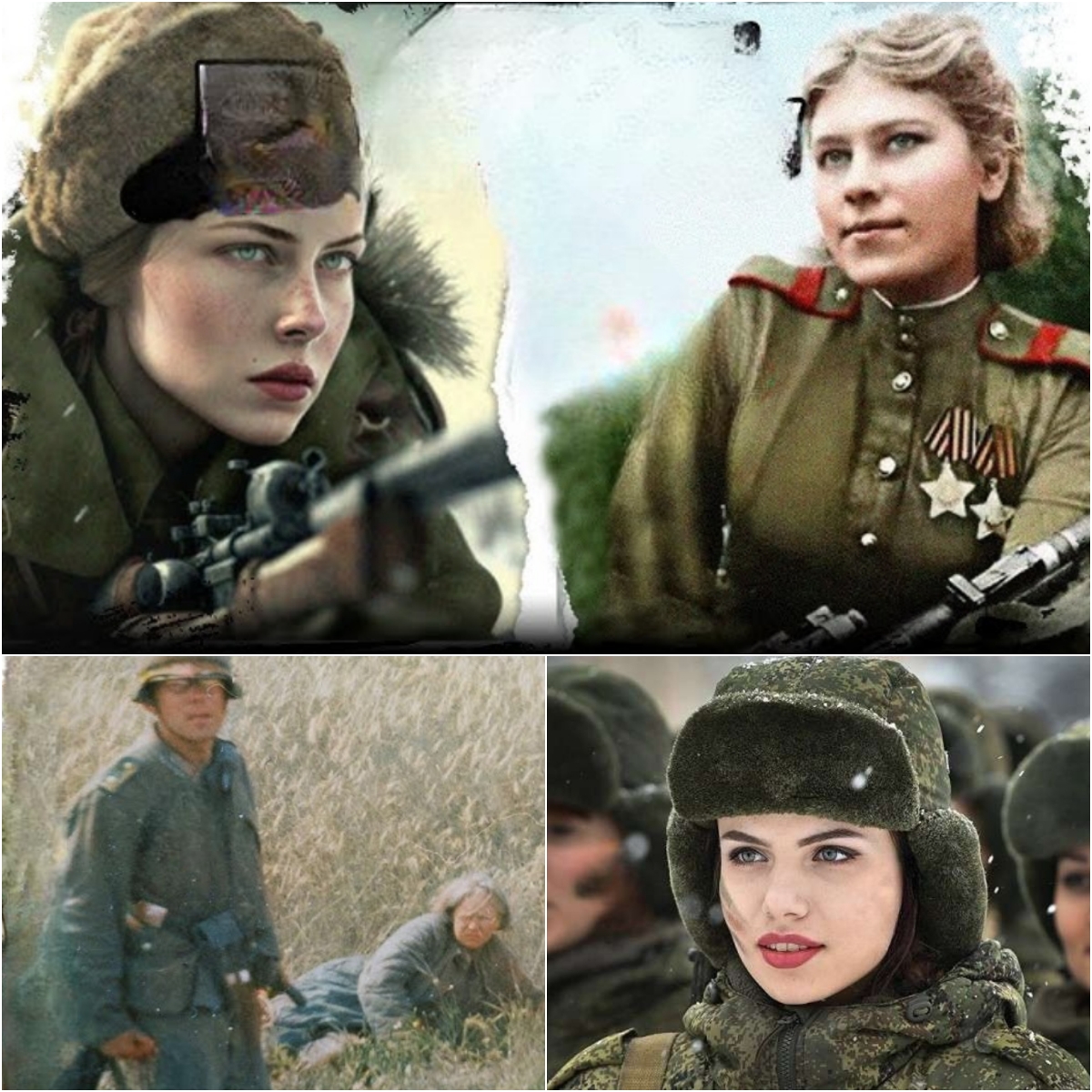
“Bolshevik Amazons” – The Fate of Women Soldiers Captured by the Wehrmacht
On the Eastern Front from the summer of 1941 to the spring of 1945, a female Red Army soldier taken prisoner by German forces almost never saw another sunrise. No trial, no POW camp – only a bullet to the head or a bayonet thrust, the body left by the roadside.
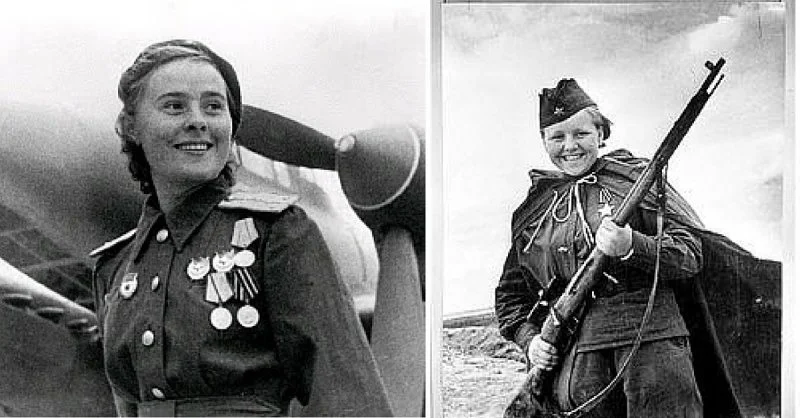
The reason was not mere battlefield brutality. It was written into a series of explicit high-command orders. The Barbarossa Decree of 13 May 1941 declared that the Geneva Convention simply did not apply to Soviet prisoners. The Commissar Order of 6 June 1941 demanded the immediate shooting of all political commissars; in German eyes, any woman in uniform carrying a weapon could be labelled as such. A separate directive spelled it out: armed female soldiers – with the sole exception of medical personnel – were to be treated as partisans and liquidated on the spot.
To the German soldier and officer alike, the very sight of a woman with a rifle was an affront to the world order they were fighting to impose. Nazi propaganda called them Flintenweiber – gun-women – or “Bolshevik Amazons,” creatures who had forfeited their right to exist.
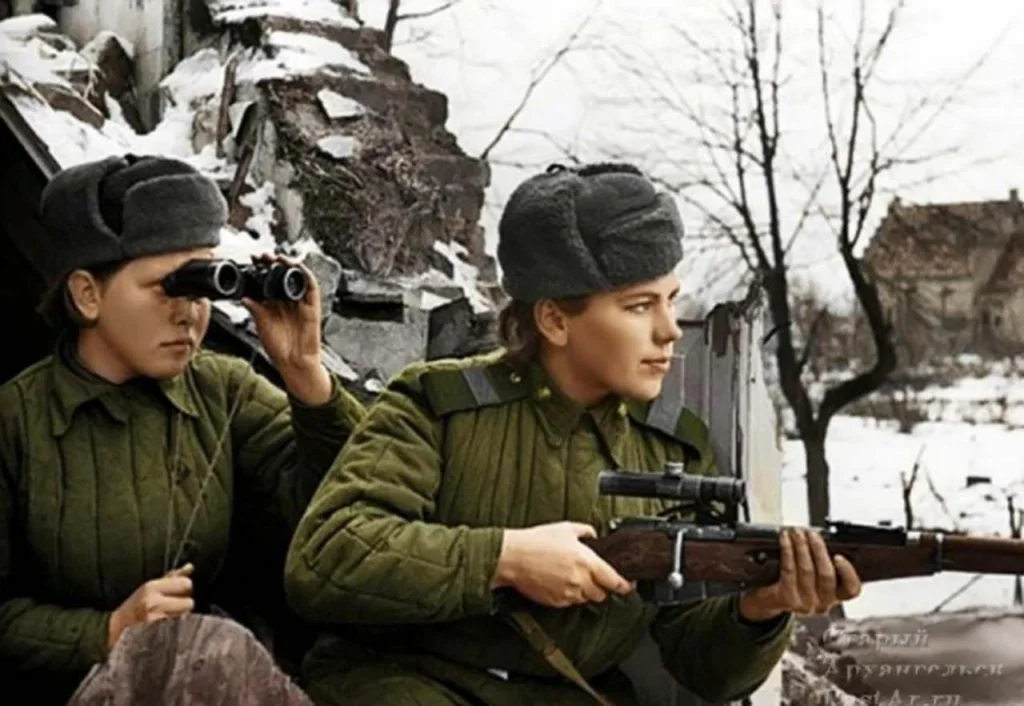
The result was horrific. Thousands of female snipers, pilots, infantry, scouts and combat engineers were shot the moment they were captured. The very few who survived – usually because they were gravely wounded or mistaken for civilians – were later sent to Ravensbrück, Auschwitz or slave-labour camps to be worked or experimented to death.
In that war of annihilation, more than three million Soviet prisoners of war perished in German hands. Among them were tens of thousands of women who had chosen to fight.
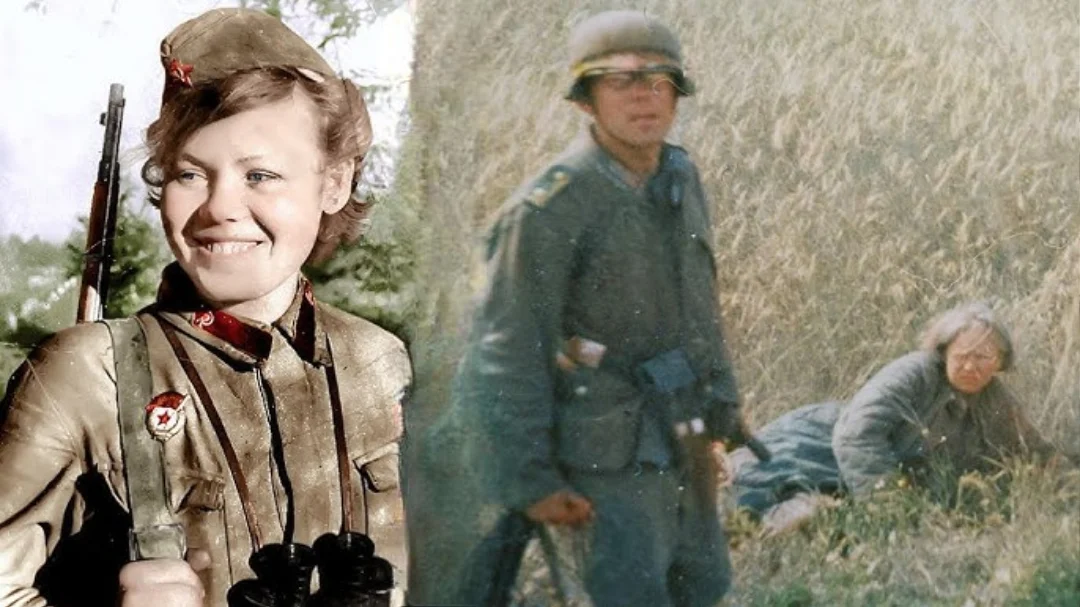
We tell their story today to honour the eight hundred thousand to one million Soviet women who served in the Red Army, to remember that systematic cruelty always begins with orders written on paper, and to reaffirm that “Never Again” only has meaning when we refuse to forget.
Official sources
United States Holocaust Memorial Museum – Soviet POW files.
Anna Krylova, Soviet Women in Combat (Cambridge, 2010).
Wendy Lower, Hitler’s Furies (2013).
German military archives – Bundesarchiv (Barbarossa Decree and Commissar Order, 1941)