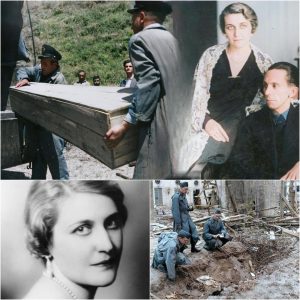
EXTREMELY SENSITIVE CONTENT – 18+ ONLY
This post refers to the murder of a disabled member of European nobility under the Nazi T4 euthanasia programme. Shared solely for historical education and remembrance of the victims of Nazi crimes against humanity. The following post contains depictions or discussions of violence that some may find upsetting.
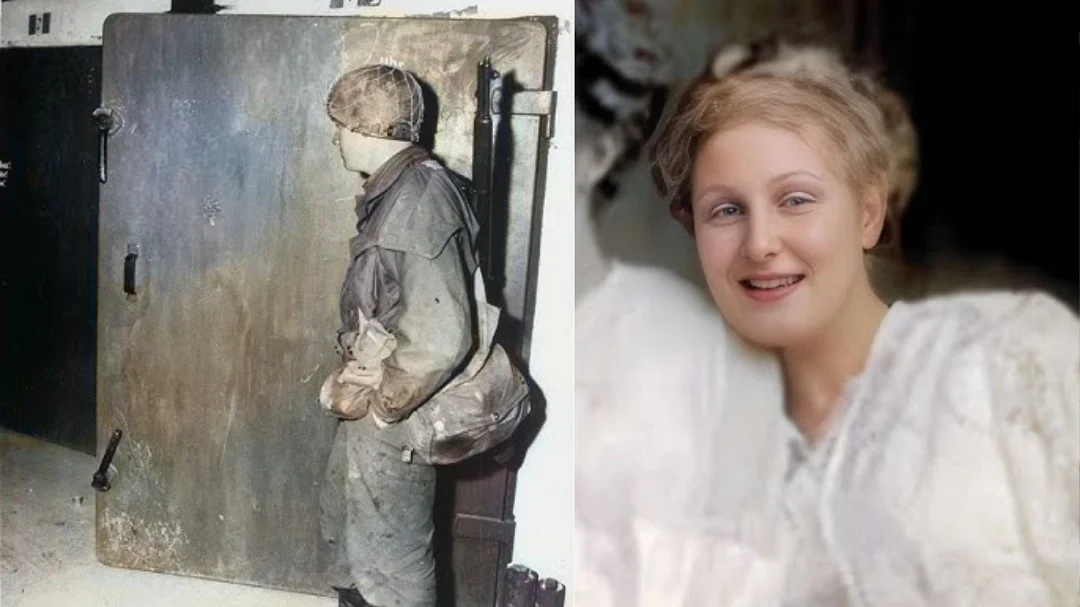
The Execution Of The Princess Slaughtered Inside A Gas Chamber
Princess Maria-Karoline of Saxe-Coburg and Gotha (1899–1941)
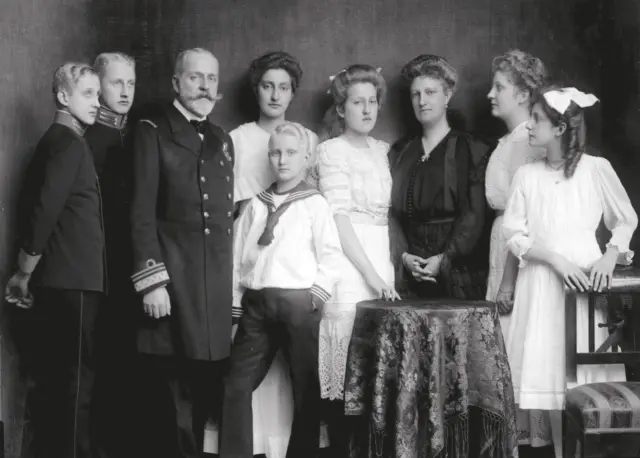
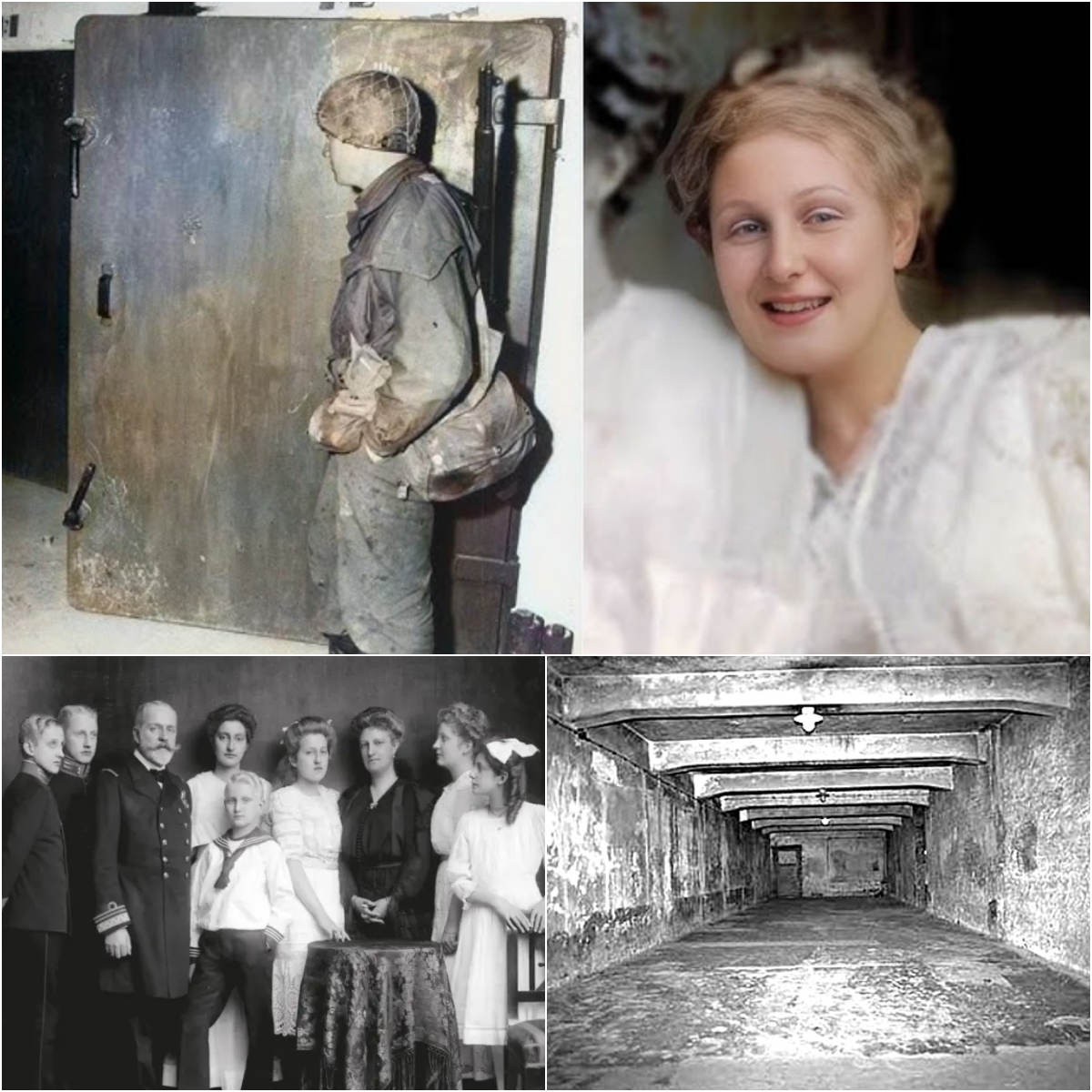
Princess Maria-Karoline Mathilde Johanna Cecilia von Sachsen-Coburg und Gotha, born in 1899, was a great-granddaughter of Queen Victoria and a first cousin of King Leopold III of Belgium and Prince Charles of Edinburgh. From childhood she had intellectual disabilities and lived quietly under family care, first in Austria and later in Germany.
In 1941, under the secret T4 “euthanasia” programme, the Nazi regime systematically murdered over 70,000 people with physical or mental disabilities. On 2 July 1941, the 42-year-old princess was taken from her residence in Thuringia by SS officers. She was told she was being moved to a “better care facility”.
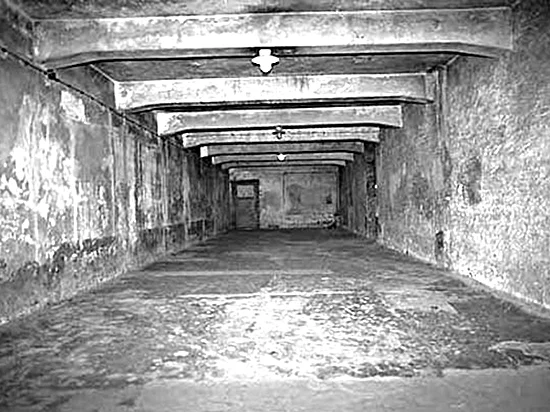
That same day she arrived at Hartheim Castle near Linz (Austria), one of the six main killing centres of the T4 programme. Within minutes of stepping off the bus, she was led into the building’s disguised gas chamber together with other patients. Carbon monoxide was released; death came within ten to fifteen minutes.
Her body was immediately cremated in the castle’s ovens. The family received only a falsified death certificate claiming “pneumonia”.
Maria-Karoline was one of at least thirty European aristocrats murdered under T4, including members of the houses of Hessen, Waldeck-Pyrmont, and Baden. The programme was officially halted in August 1941 after protests from churches and families, but the killings continued in secret until 1945.
We remember Princess Maria-Karoline today not to nurture hatred, but to honour the tens of thousands of disabled children and adults murdered simply because they were considered “unworthy of life”; to recognise that no title, no bloodline, no innocence could protect anyone from the machinery of genocide; and to reaffirm our collective duty to defend the most vulnerable among us.
Official & reputable sources
Bundesarchiv Berlin – R 179 T4-Akte (individual victim files)
Friedlander, Henry – The Origins of Nazi Genocide: From Euthanasia to the Final Solution (University of North Carolina Press, 1995)
Gedenkstätte Hartheim – official victim database and documentation centreKlee, Ernst – “Euthanasie” im NS-Staat: Die “Vernichtung lebensunwerten Lebens” (S. Fischer Verlag, 1983)
Lifton, Robert Jay – The Nazi Doctors: Medical Killing and the Psychology of Genocide (Basic Books, 1986)